I build practical AI systems and developer tools at the boundary of software engineering, automation, and human workflow. My current work focuses on AI agent tooling, LLM evaluation, context management, n8n orchestration, human-in-the-loop automation, and developer education.
Applied AI & Agent Tooling
Engineers have preferred tools, how can we ensure these different AI systems share the most important context? A unified harness built on the AGENT.md convention.



Pick the right AI model — capability, context, cost per token. Because throwing Opus at a regex is the engineering equivalent of a sledgehammer on a drawing pin.
Public WhatsApp groups attract spam and bad actors. I replaced ours with an n8n pipeline and a siloed AI chatbot — zero moderation, automatic email escalation when confidence drops.
Portfolio & Past Work

A PWA that keeps a pose countdown in perfect sync across every phone and laptop in the room — built for life drawing sessions. No app install. Just a URL.
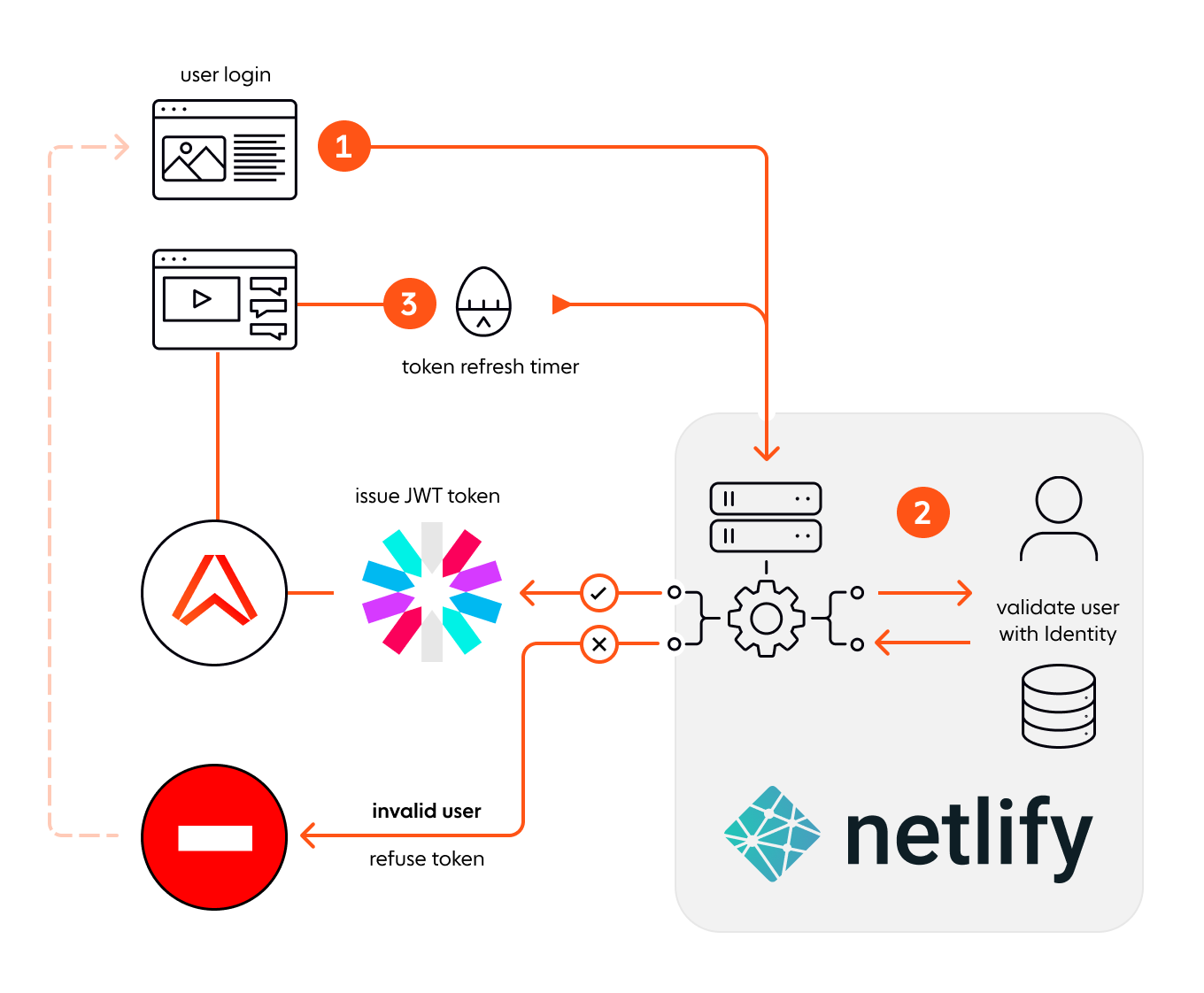
How to use Netlify Identity and serverless functions to issue Ably JWT tokens to verified users only — keeping your Ably API key hidden and bad actors locked out.


A pure CSS parallax effect with minimal scaffolding and zero JavaScript — demonstrated live on CodePen. Simple to drop into any lightweight static site.


Tic-tac-toe with a twist — a multilayer tactical game where players rotate the 3D matrix using Rubik's cube strategy. Built with BabylonJS, React, Redux and ES6.

Using Blender's Python console to trace chaos algorithms as 3D splines, then converting each spline into a smooth geometry mesh. Pure maths, rendered physical.

Perlin noise terrain wrapped in both axes with dynamically injected artifacts, giving an infinite impression. Built in PHP and connected to the Instagram API for live content.

Use the Chrome extension API to inject a modern UI layer over any legacy ASCII interface — a lightweight approach to enhancing user experience without touching the underlying source.


A Ruby experiment that renders MP3 audiobooks from markdown articles using Google Speech API and Wavenet voices. Web Components power the story selection interface.

i3 is my preferred window manager — a lock screen that uses OpenCV and numpy to slice the desktop into animated strips. Developed with iPython, aka Jupyter notebook.

BASH remote control for the Raspberry Pi Zero camera — JavaScript WebSocket UI with configurable settings and Sunrise/Sunset synchronisation for automated timelapse photography.

An ultra-minimal UI that streams huge SVG images over WebSockets — the sketch recreates in real time, line by line, with zero wait. Node.js server hosted on Heroku.